Foods That Strain the Kidneys in Ayurveda
Learn which foods Ayurveda says burden the kidneys, what modern renal care adds, and kidney-friendly swaps for your kitchen. Consult your doctor first.
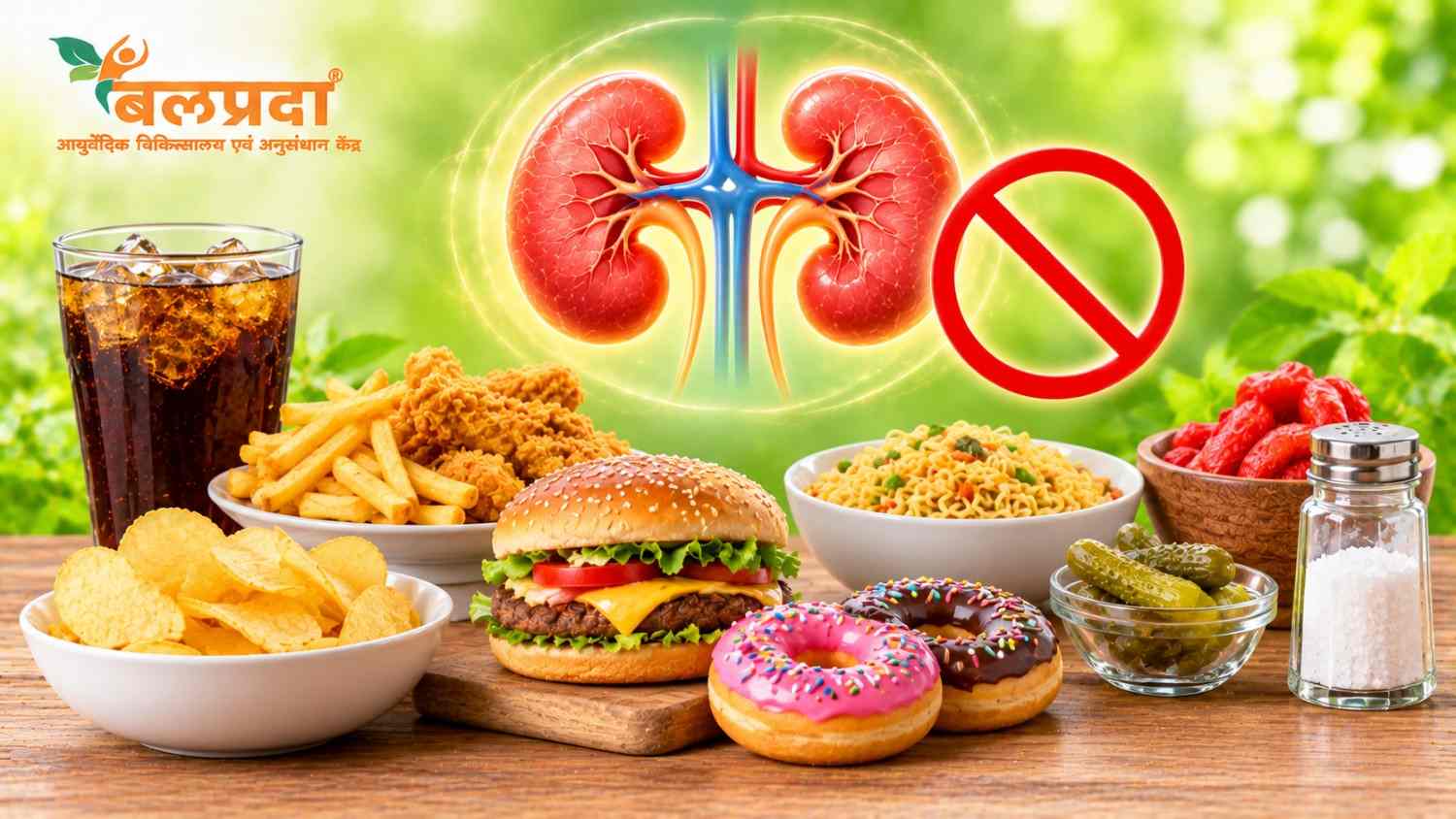
Your kidneys filter waste, balance fluids and control minerals like sodium and potassium, so what you eat directly affects their workload. Ayurveda has long advised avoiding foods that are heavy, stale, overly salty or hard to digest, which also overlaps with several modern kidney-care cautions.
The Ayurvedic View of Kidney Health
Mutravaha Srotas
- •Ayurveda describes the mutravaha srotas as the channels that carry urine out of the body.
- •When digestion is weak, the body is said to build up ama (undigested waste), which can burden these channels.
What Ayurveda Considers Burdensome
- •Heavy, oily, stale and reheated food.
- •Excess salt, sour and fermented items.
- •Incompatible food combinations (viruddha ahara).
- •Irregular meals, late dinners and too little water for your needs.
Where It Meets Modern Medicine
- •Modern renal care also warns against excess salt, ultra-processed food and certain minerals when kidney function is reduced.
- •Ayurveda is a traditional system, so treat its guidance as a lifestyle framework and never a replacement for medical treatment.
Foods That Strain the Kidneys
1. Excess Salt and Salty Foods
- •Why it matters: High sodium raises blood pressure and makes kidneys work harder, and high blood pressure is a leading cause of kidney damage.
- •Common culprits: pickles, papad, namkeen, chips, instant noodles, ketchup, packaged soups and ready-to-eat mixes.
- •Ayurvedic angle: too much lavana (salty taste) is said to aggravate pitta and disturb the body's balance.
2. Ultra-Processed and Packaged Foods
- •Why it matters: Many contain hidden salt, sugar, preservatives and phosphate additives, which are harder on weak kidneys.
- •Common culprits: biscuits, bakery items, frozen snacks, processed cheese, instant mixes and packaged meats.
- •Ayurvedic angle: packaged and long-stored food is considered stale (paryushita) and low in vitality.
3. Sugary Drinks and Cola
- •Why it matters: Sugar-heavy drinks raise the risk of diabetes and obesity, both major kidney risk factors. Dark colas also contain phosphorus additives.
- •Common culprits: soft drinks, packaged juices, energy drinks and sweetened tea or coffee.
- •Better choice: plain water in your approved quantity, or buttermilk with cumin if your doctor allows.
4. Excess Animal Protein and Red Meat
- •Why it matters: Very high protein intake increases the filtering load, especially if kidney function is already reduced.
- •Ayurvedic angle: heavy, hard-to-digest foods are said to increase kapha and ama.
- •Note: Protein needs vary widely. Dialysis patients often need more, so follow your dietitian's advice.
5. Deep-Fried and Very Oily Food
- •Why it matters: Fried food contributes to weight gain, high cholesterol and blood pressure problems that indirectly affect the kidneys.
- •Common culprits: samosa, pakora, puri, bhatura and street-style fried snacks.
- •Ayurvedic angle: excessive oily food is considered guru (heavy) and slows digestion.
6. High-Potassium Foods (When Restricted)
- •Why it matters: If your kidneys cannot clear potassium, levels can rise to unsafe levels, which may affect the heart.
- •Common culprits: potatoes, tomatoes, spinach, bananas, oranges, coconut water and dried fruits.
- •Note: These are healthy for most people. They are restricted only when your reports show a need.
7. High-Phosphorus Foods (When Restricted)
- •Why it matters: Weak kidneys may not remove phosphorus well, which can affect bones and blood vessels.
- •Common culprits: cola drinks, processed cheese, packaged snacks, and large amounts of nuts, dairy and bran-rich grains.
- •Tip: Added phosphates on labels are absorbed more easily than natural phosphorus.
8. Foods High in Oxalates (for Stone-Prone People)
- •Why it matters: Some kidney stones form from oxalate. If you have had stones, your doctor may advise limiting certain foods.
- •Common culprits: spinach, beetroot, rhubarb, nuts, chocolate and strong tea.
- •Tip: Stone prevention often depends on stone type and adequate fluids, so ask your doctor what suits you.
9. Alcohol and Smoking
- •Why it matters: Both raise blood pressure and can damage blood vessels, including those in the kidneys.
- •Ayurvedic angle: intoxicants are considered disturbing to the body's balance.
Incompatible Food Combinations (Viruddha Ahara)
- •Ayurveda advises caution with certain combinations, such as milk with sour fruits, fish with milk, or heated honey.
- •These rules come from traditional texts. Modern evidence for them is limited, so treat them as traditional guidance.
- •A simple rule that helps everyone: keep meals simple and avoid mixing many heavy items at once.
Habits That Quietly Strain the Kidneys
- •Drinking too little water, or too much if your doctor has set a fluid limit.
- •Taking painkillers (NSAIDs) like ibuprofen frequently without medical advice.
- •Eating late at night or skipping meals.
- •Ignoring high blood pressure or blood sugar.
- •Using herbal powders, churnas or bhasmas without professional advice.
Kidney-Friendly Swaps for Your Kitchen
- •Instead of pickle and papad: a squeeze of lemon, fresh chutney or whole-spice tempering.
- •Instead of namkeen: unsalted murmura or roasted chana in small portions.
- •Instead of cola and packaged juice: plain water or cumin buttermilk, if allowed.
- •Instead of fried snacks: steamed, boiled or lightly sautéed dishes.
- •Instead of salt-heavy gravies: cumin, coriander, ajwain, hing, turmeric and curry leaves.
- •Instead of maida bakery items: a plain roti or poha made at home.
Smart Grocery Habits
- •Read the sodium line on every label and prefer products with lower sodium.
- •Check ingredient lists for words like "phosphate" and "phosphoric acid."
- •Buy fresh vegetables, dals and whole grains more often than packaged items.
- •Choose plain, unsalted staples and season them yourself.
- •Neighbourhood supermarkets like The Buyzaar Mart stock everyday staples under one roof, so building a fresh, simple basket takes one visit.
- •Always check labels before buying.
A Word of Caution on Herbs and Supplements
- •Do not start Ayurvedic herbs or "kidney cleansing" products on your own.
- •Some products contain heavy metals or high potassium, and quality varies widely.
- •Tell your nephrologist and Ayurvedic practitioner about everything you take.
- •Be wary of any product that promises to cure or reverse kidney disease.
Final Thoughts
- •Ayurveda encourages light, fresh, home-cooked food and warns against stale, heavy, oily and very salty meals, which matches much of modern kidney advice.
- •The biggest everyday risks are excess salt, processed food, sugary drinks and uncontrolled blood pressure or sugar.
- •Foods like potatoes, spinach or bananas are not "bad." They matter only when your reports show a need to limit them.
- •Work with your doctor or a renal dietitian to build a plan that fits your stage and lab values.
- •Small, consistent changes, such as reading labels and cooking fresh, protect your kidneys over the long run.
Frequently Asked Questions
Which food is the worst for kidneys in Ayurveda?
No single food is the "worst." Ayurveda cautions against stale, heavy, very salty and processed food in general. Modern advice adds that excess salt, sugary drinks and processed food are the main everyday risks.
Are tomatoes and spinach bad for the kidneys?
They are healthy for most people. They are restricted only if you have kidney disease with high potassium, or a history of oxalate stones. Follow your doctor's advice.
Is too much protein bad for the kidneys?
Very high protein can increase kidney workload, mainly when kidney function is already reduced. Healthy people generally tolerate normal protein intake. Ask your dietitian for your personal target.
Can Ayurvedic food rules prevent kidney disease?
A light, fresh, low-salt diet supports overall health, but it cannot guarantee prevention. Controlling blood pressure and diabetes is just as important.
Is cola really bad for the kidneys?
Regular intake of sugary drinks is linked with higher risk of diabetes and obesity, and colas contain phosphorus additives. Limiting them is a sensible choice, especially with kidney concerns.
Is coconut water safe for kidney patients?
It is high in potassium, so many kidney patients are told to limit it. Confirm with your doctor.
Should I avoid dairy for kidney health?
Dairy contains phosphorus and potassium, so portions may need limiting in kidney disease. If you are healthy, moderate amounts are generally fine.
Is herbal medicine safe for the kidneys?
Not always. Some herbal products can harm the kidneys or interact with medicines. Use them only under qualified supervision.
Related Articles
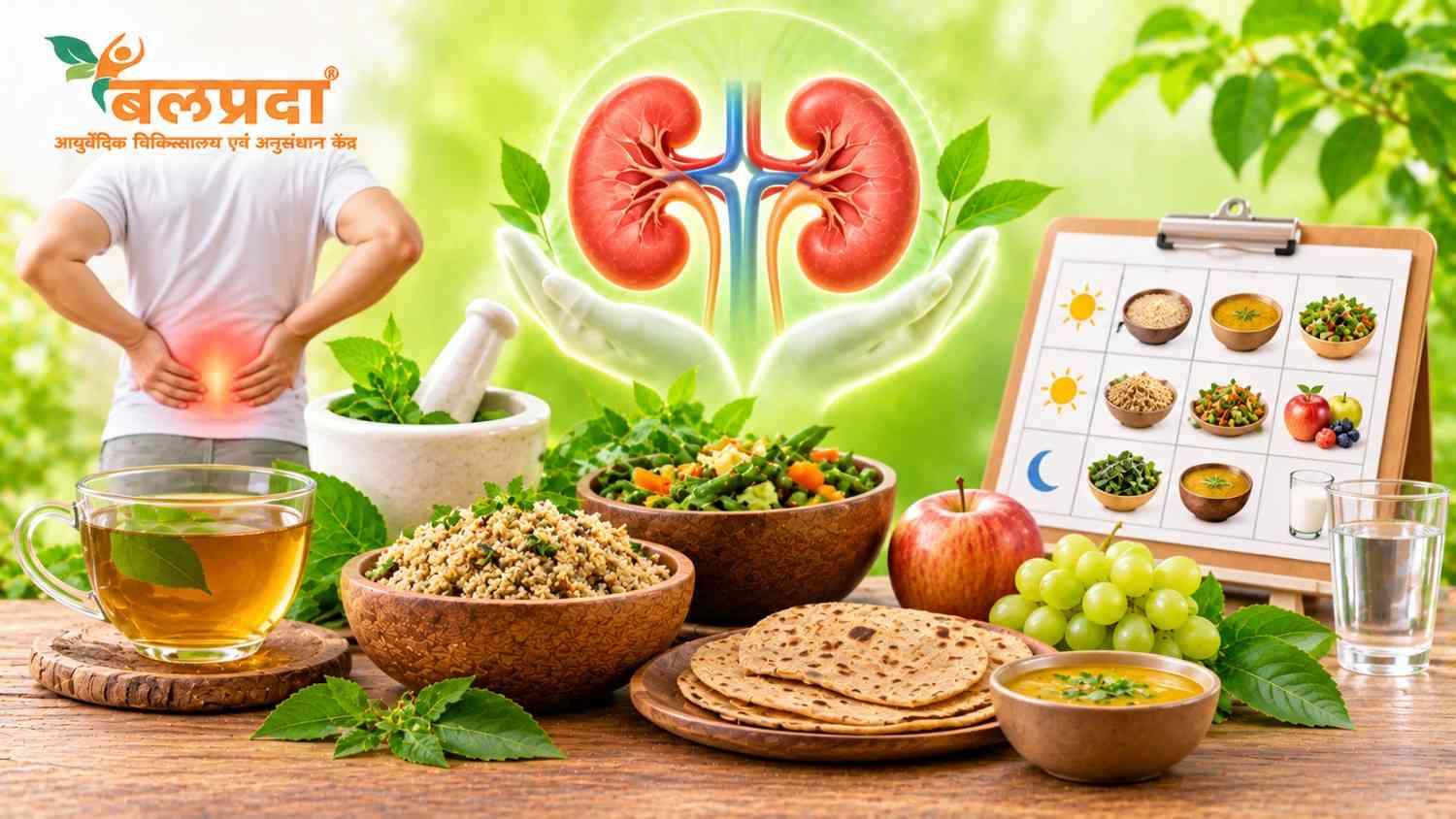
Ayurvedic Diet for Kidney Patients: Weekly Meal Plan
Follow a kidney-friendly Ayurvedic diet with a simple 7-day meal plan, foods to eat and avoid, cooking tips and a smart grocery list. Check with your nephrologist first.
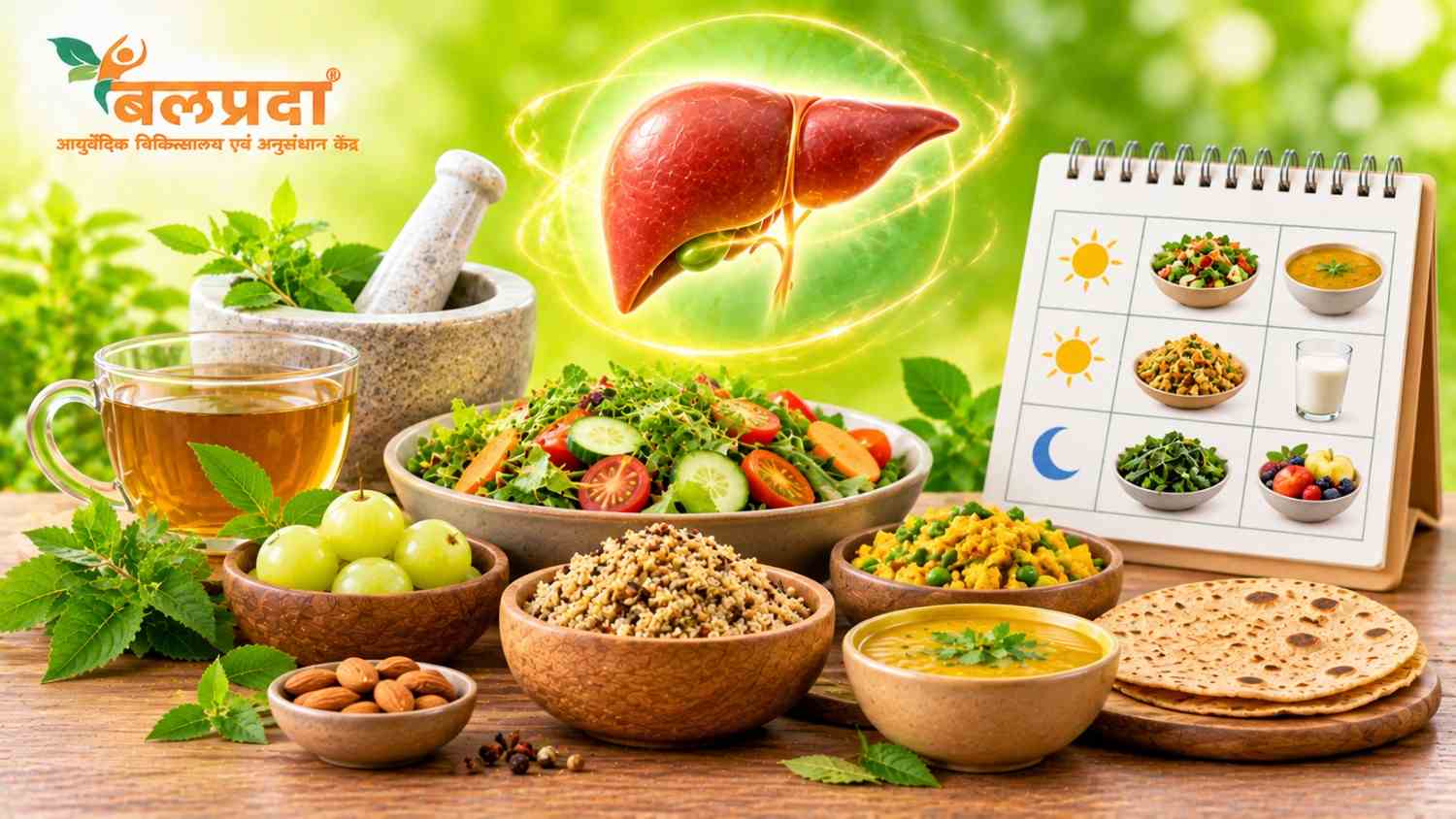
Ayurvedic Diet for Fatty Liver: Weekly Meal Plan
Follow a simple Ayurvedic diet for fatty liver with a 7-day meal plan, foods to eat and avoid, cooking tips and a smart grocery list. Consult your doctor before starting.